Community Interactions Alter Reward Gathering Habits Across Handheld Virtual Play Platforms
Zoe Franke · Oct 1, 2026
Community Interactions Alter Reward Gathering Habits Across Handheld Virtual Play Platforms
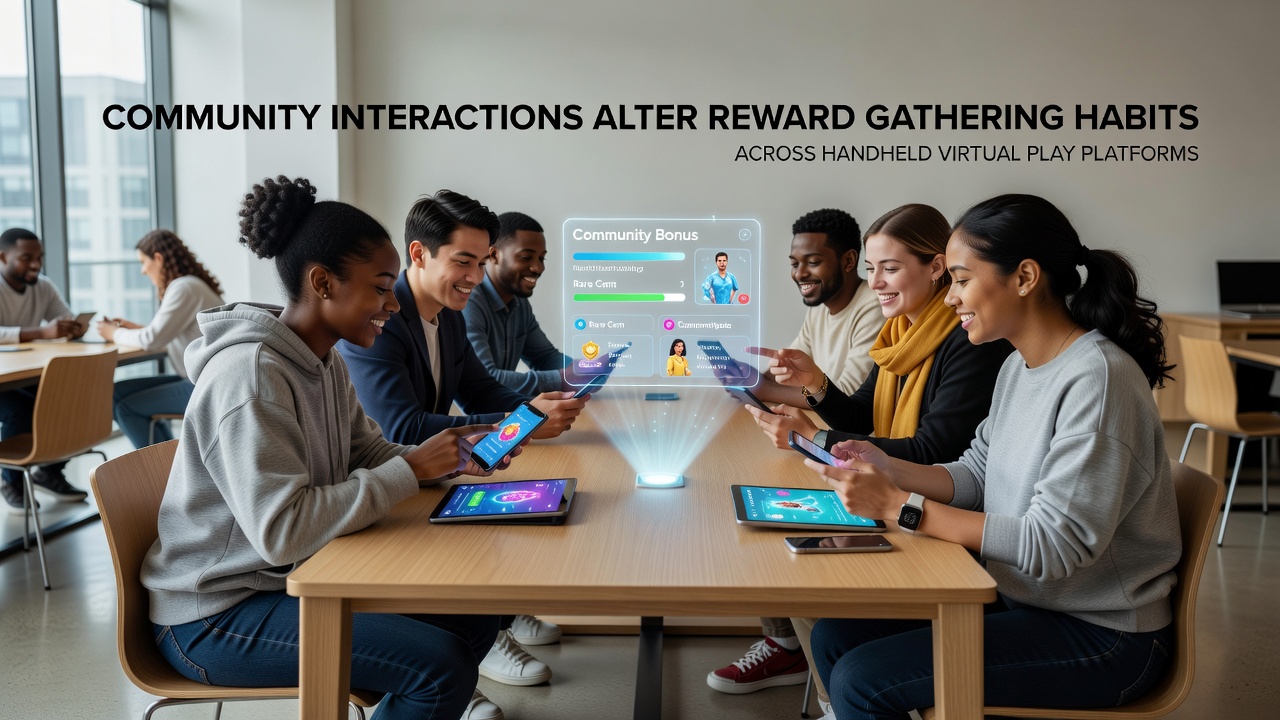
Handheld virtual play platforms have seen community features reshape how users collect and utilize rewards such as virtual chips, spins, and progress markers. Data from industry tracking shows that social elements like shared challenges and leaderboards now drive collection patterns more than solo play loops alone. Observers note that players in connected groups often shift from random daily logins to coordinated timing strategies that maximize group bonuses.
Mechanics of Social Influence on Reward Paths
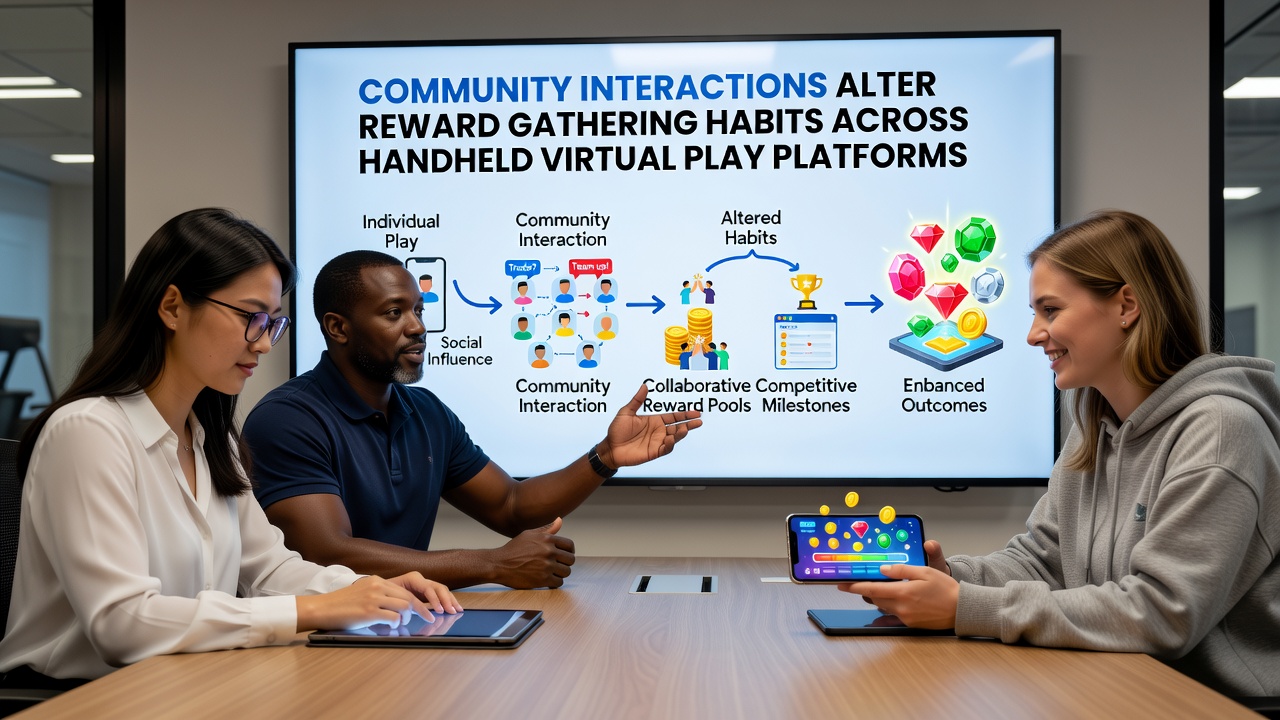
Platforms integrate chat systems, friend lists, and collaborative events that link individual reward gathering to collective outcomes. When one user completes a milestone, connected accounts receive notification prompts that encourage synchronized collection sessions. Research from the Interactive Games and Entertainment Association indicates these prompts increase reward claim rates by directing attention toward time-limited community pools rather than isolated item grabs.
Group-based competitions further modify habits by tying personal progress to team rankings. Participants adjust their play schedules to align with peak activity windows of their networks, which concentrates reward accumulation during specific hours. This coordination replaces earlier patterns where users collected rewards at random intervals throughout the day.
Observed Shifts in Collection Timing and Volume
Platform analytics reveal that community-linked accounts demonstrate higher volumes of reward claims during event windows compared to non-connected accounts. Users exchange tips on optimal collection sequences through in-app messaging, which accelerates adoption of efficient paths. Those who've studied these ecosystems find that shared knowledge leads to faster progression through layered achievement trees that unlock additional reward tiers.
By October 2026 several major platforms introduced updated group reward systems that allow pooled contributions toward shared goals. These updates coincided with expanded notification tools that alert entire friend circles when a collective target nears completion. The changes produced measurable increases in cross-account reward transfers and joint collection events.
Regional Variations in Community-Driven Patterns
Platforms operating in different markets show distinct responses to social features. In North American deployments, competitive leaderboards dominate collection behavior while European versions emphasize cooperative events that distribute rewards across wider participant groups. Data compiled by the Australian Interactive Gambling Association tracks similar trends where regional regulations influence the visibility of social tools yet do not eliminate their impact on reward habits.
University studies from Canadian institutions have examined how these differences affect long-term engagement metrics. Their findings show that platforms with strong social connectivity maintain steadier reward collection rates across months, whereas isolated experiences see steeper drop-offs after initial novelty fades.
Platform Design Elements That Amplify Group Effects
Design choices such as visible friend activity feeds and real-time reward sharing buttons steer users toward community-oriented collection. These elements appear in token-based simulations where progress indicators update publicly, prompting others to join ongoing sessions. Industry reports document that such visibility increases the frequency of reward claims tied to social triggers rather than individual timers.
Notification systems further reinforce these patterns by highlighting when network members have claimed particular rewards. Recipients often respond by adjusting their own collection order to complement or compete with those actions, creating ripple effects across connected accounts.
Conclusion
Community interactions continue to modify reward gathering on handheld virtual play platforms through coordinated timing, shared knowledge, and group incentives. Tracking data through late 2026 shows these influences persist across varied regulatory environments and platform designs. The integration of social tools has established new collection norms that link individual actions to broader network behaviors.