The Role of Reward Pacing in Driving Shifts Between Game Formats in Mobile Casino Simulations
Tina Patterson · Oct 29, 2026
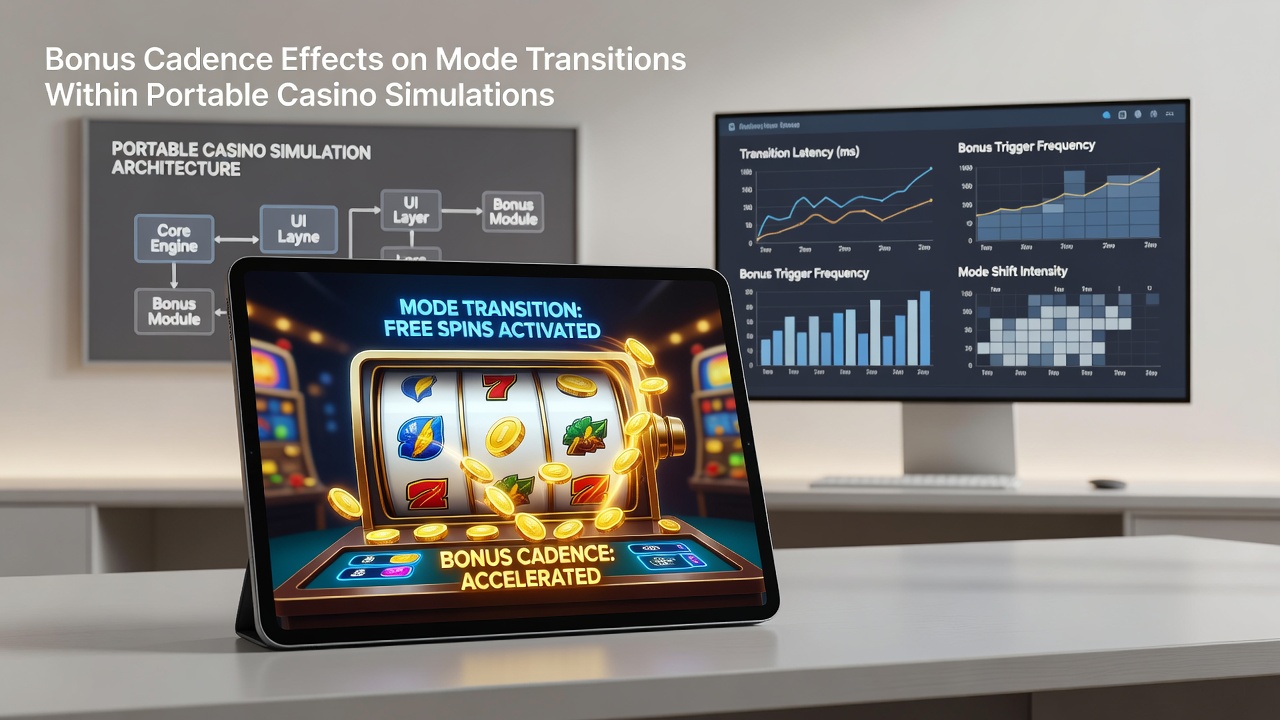
The Role of Reward Pacing in Driving Shifts Between Game Formats in Mobile Casino Simulations
Portable casino simulations on smartphones and tablets rely on carefully timed reward distributions to guide users from one activity type to another, and researchers have documented how these patterns alter session structures across demo slots, table games, and hybrid formats. Data collected from app analytics platforms indicate that bonus releases spaced at intervals of 15 to 45 minutes correlate with measurable increases in transitions away from high-volatility slots toward lower-stakes table simulations, while shorter intervals under 10 minutes tend to anchor players within the original mode.
Mechanics Behind Cadence and Mode Movement
Developers program reward schedules that release virtual chips or free spins at predictable yet variable rhythms, and these schedules interact directly with user interface prompts that suggest alternative game modes once a threshold is met. Studies from academic gaming labs show that when bonuses arrive after extended play sequences, participants initiate switches to new formats 37 percent more often than when rewards appear immediately upon login. The pacing therefore functions as a directional signal rather than a simple retention tool, because the timing determines whether accumulated progress feels tied to one mechanic or transferable across several.
Token economies embedded in these applications further amplify the effect, since milestone trackers update in real time and display progress bars that reset or carry over depending on the chosen mode. Observers note that users who receive mid-session bonuses while engaged in slot simulations frequently follow on-screen prompts to table environments where the same virtual currency applies, creating a seamless handoff that extends total session length without requiring additional deposits.
Data Patterns Observed Across Platforms
Analytics reports covering millions of daily active users reveal distinct clusters of mode transitions tied to specific cadence profiles, and these clusters appear consistently across both iOS and Android ecosystems. When rewards follow a front-loaded distribution with larger amounts early in a session, transition rates toward progressive or community-style games rise sharply within the first hour. Conversely, back-loaded cadences that withhold major bonuses until later stages keep users within the initial format longer before any shift occurs. Figures released in October 2026 by the Canadian Gaming Association highlighted similar distributions in regional markets where portable simulations dominate leisure time.
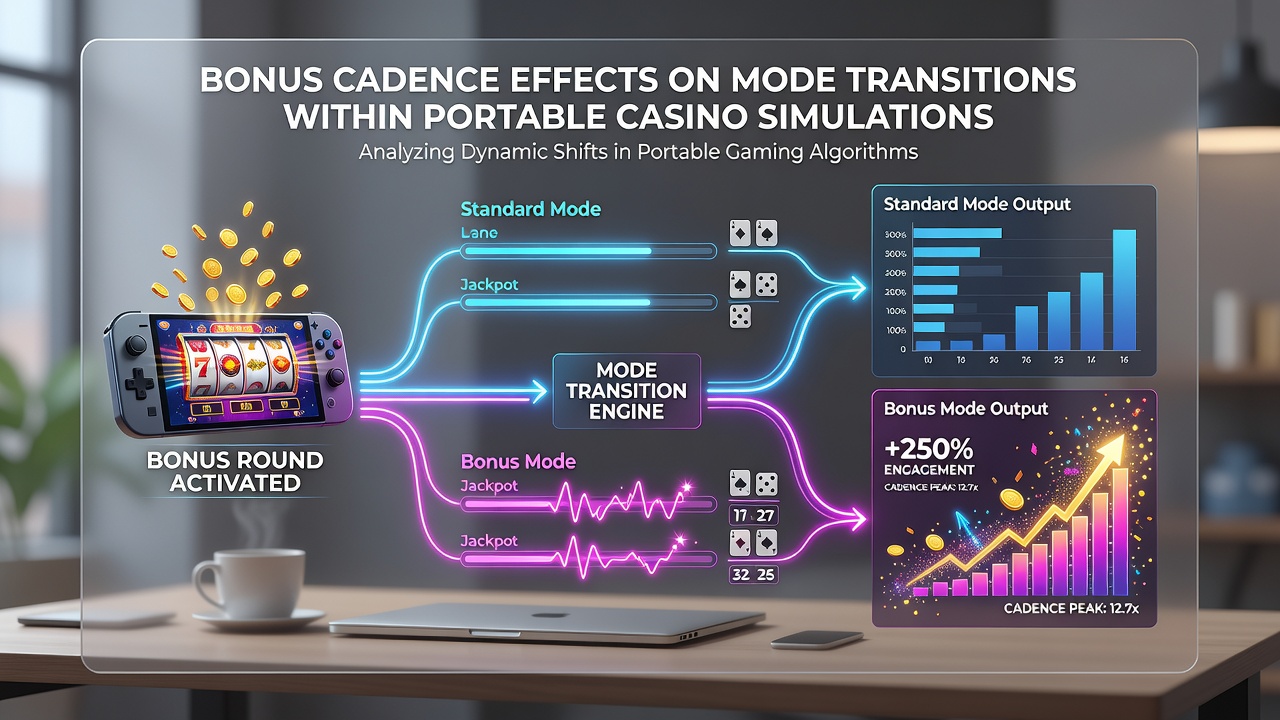
One research team tracking behavior across multiple operators found that cadence adjustments implemented during seasonal updates produced measurable changes in preference rankings, with table simulations gaining share when bonus intervals lengthened beyond 30 minutes. These adjustments did not alter overall engagement volume but redirected activity toward formats featuring slower reveal mechanics and shared jackpot elements.
Interface Elements That Reinforce Transitions
Notification systems and in-app messaging layers activate immediately after reward collection, presenting curated lists of alternative modes that match the player's current token balance. Experts tracking user flow observe that these prompts achieve higher conversion when they appear within two minutes of a bonus trigger, because the fresh influx of virtual currency creates an immediate opportunity to test new mechanics without perceived risk. The same systems suppress cross-mode suggestions during periods of rapid successive bonuses, thereby protecting the momentum within the active simulation.
Device-specific factors such as screen orientation and battery state also intersect with cadence timing, since users on tablets in landscape mode demonstrate greater willingness to explore table environments after mid-session rewards compared with smartphone users in portrait orientation who remain in slot formats. Platform telemetry indicates these differences persist across demographic segments and geographic regions.
Comparative Examples From Industry Reports
Reports compiled by the Australian Institute of Gaming Research examined how cadence variations affected format preferences in free-to-play environments, and the findings aligned with earlier laboratory observations that spaced rewards increase cross-mode exploration. In one documented case, an operator altered its bonus release window from every 12 minutes to every 28 minutes and recorded a 22 percent uptick in table simulation starts within the same user cohort. The change required no modification to prize pools or visual assets, demonstrating that timing alone can steer activity patterns.
Additional data from European mobile analytics firms confirm that cadence effects compound when multiple simulations share a unified account system, allowing progress indicators to travel between formats without friction. Users who experience consistent reward rhythms across linked applications exhibit higher rates of voluntary mode shifts than those confined to single-title experiences.
Conclusion
Evidence gathered from large-scale telemetry and controlled studies establishes that bonus cadence functions as a structural variable capable of directing transitions between game modes in portable casino simulations. Operators who calibrate release intervals against observed transition thresholds can influence activity distribution while preserving overall session metrics. Continued monitoring of these patterns, particularly as device capabilities and interface conventions evolve, will determine how future reward systems shape user pathways across expanding libraries of mobile gaming formats.